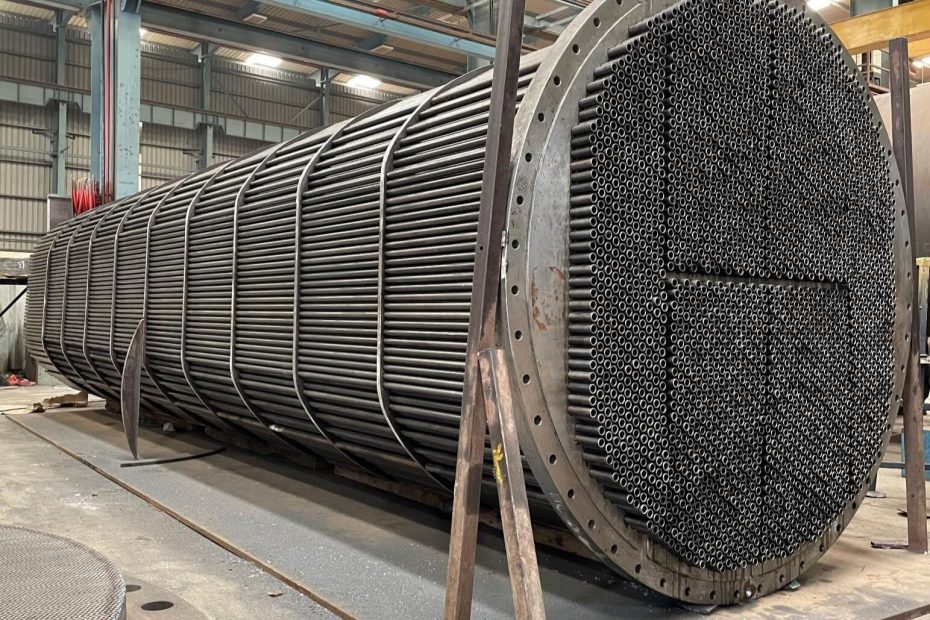
Picking the right material for a heat exchanger is like choosing the perfect pizza toppings – it has to suit your taste and needs! The material impacts how well the heat exchanger works, how much it costs, how heavy it is, and how big it needs to be. You need to consider thermal conductivity, temperature resistance, corrosion resistance, strength, cost, and availability.
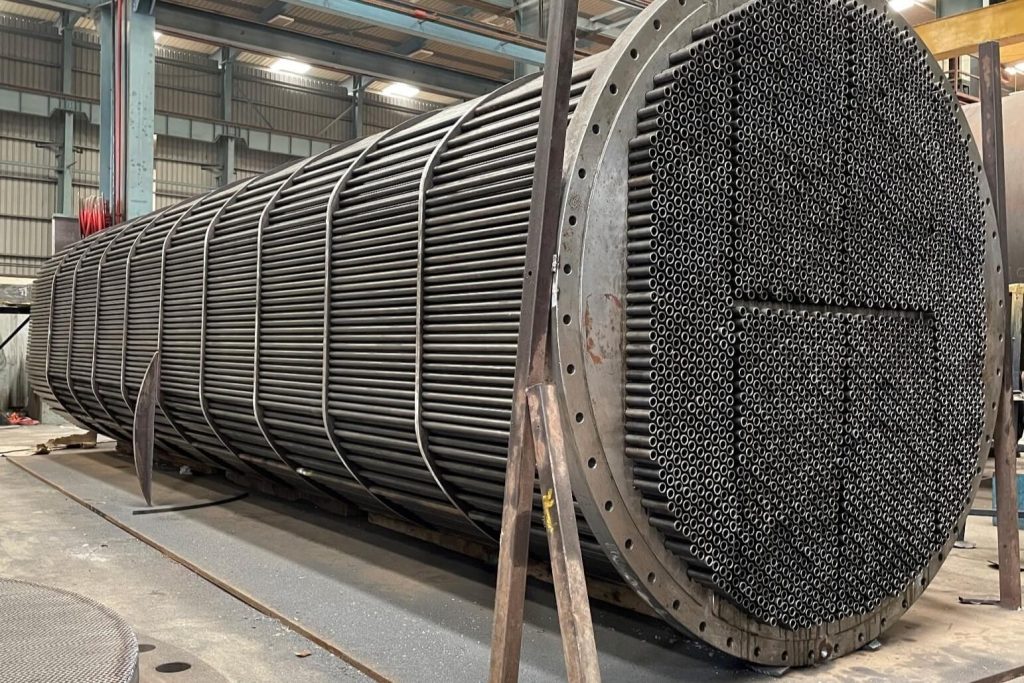
Key Material Properties
- Thermal Conductivity: Think of it as the material’s ability to transfer heat. High thermal conductivity means your heat exchanger is the marathon runner of the group.
- Temperature Resistance: This is like the ability to handle hot summer days without melting. Some materials are as cool as a cucumber under heat, while others are not so much.
- Density/Weight: Nobody likes extra baggage, especially in aerospace applications. Lightweight materials are the way to go here.
- Corrosion Resistance: Imagine wearing a raincoat in a storm. This property helps the material resist corrosion in harsh environments.
- Strength: Like a superhero’s power, this determines how well the material can handle high pressure and mechanical forces.
- Cost and Availability: You want the best bang for your buck, right? Balancing performance with cost and availability is crucial.
Common Materials Comparison
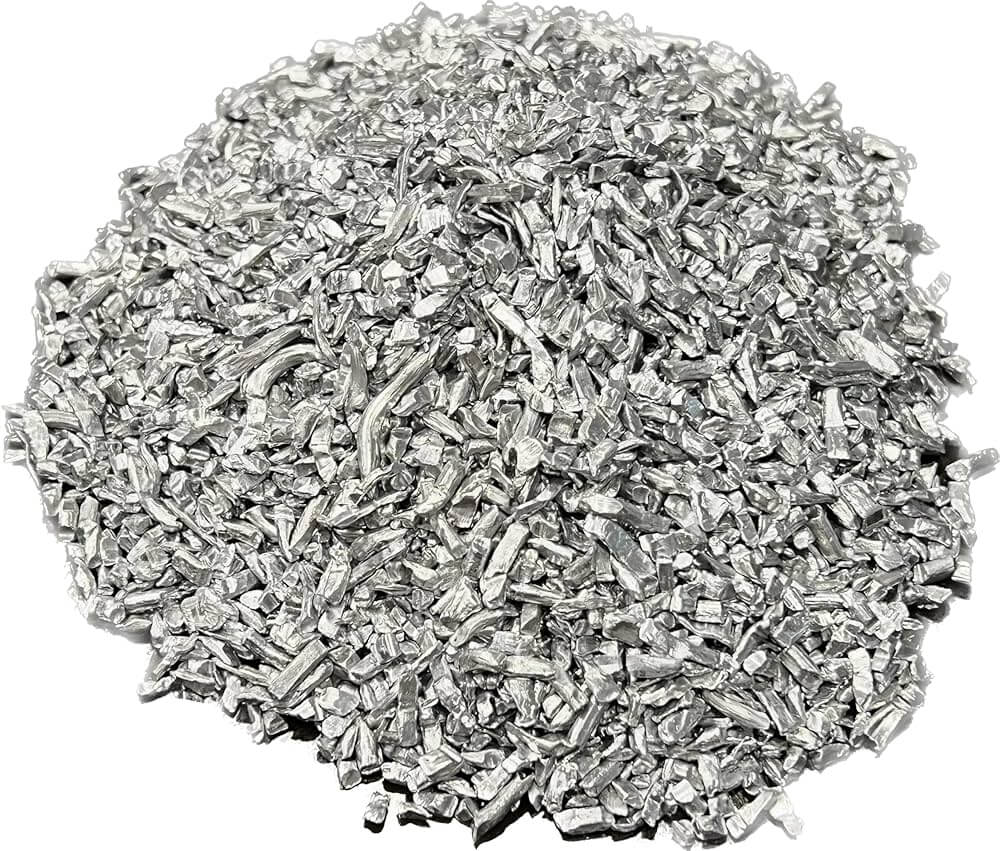
Aluminum
- Pros: Lightweight, affordable, great thermal conductivity, easy to shape into complex forms.
- Cons: Not a fan of high temperatures.
- Applications: Perfect for aerospace and other lightweight applications – think of it as the sprinter of the heat exchanger world.
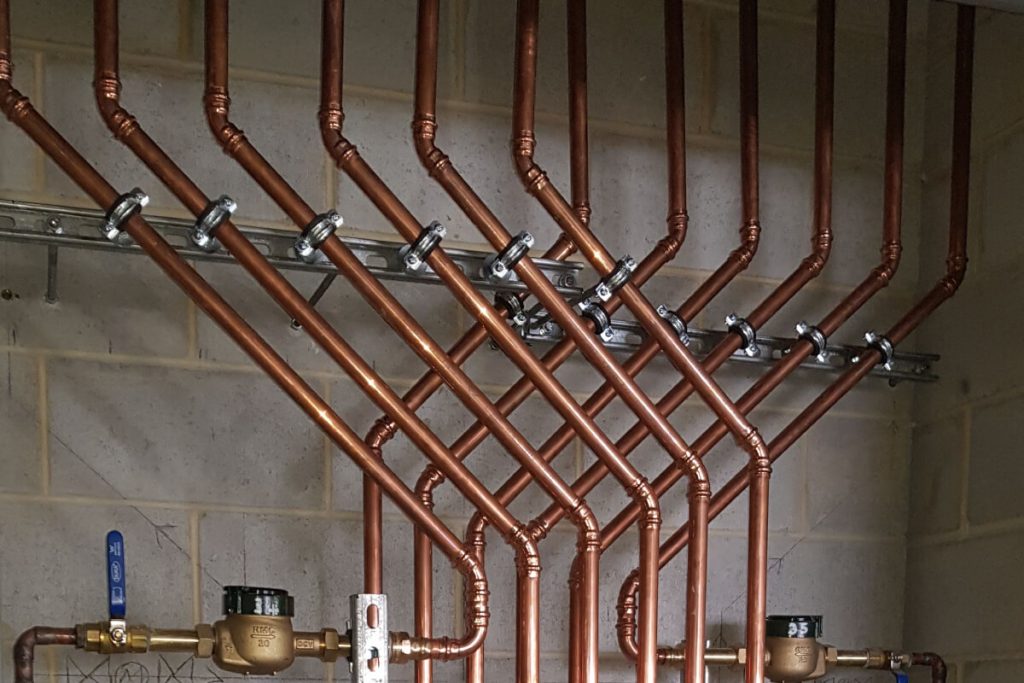
Copper
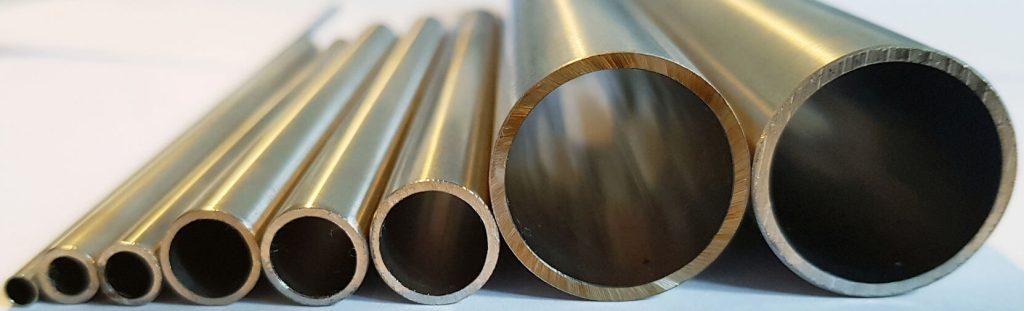
- Pros: High thermal conductivity, excellent corrosion resistance, good mechanical strength, easy to machine and weld.
- Cons: Heavier than aluminum, but it can carry its weight.
- Applications: Ideal for tube and shell heat exchangers, offering efficient heat transfer and durability. Copper is like a dependable friend who always shows up.
Stainless Steel
- Pros: High mechanical strength, excellent corrosion resistance, good thermal conductivity, keeps its cool at high temperatures, easy to machine and weld.
- Cons: More expensive than aluminum, but worth every penny.
- Applications: Best for high-temperature, high-pressure, and harsh environments. Stainless steel is like the superhero of heat exchanger materials.
Practical Comparisons
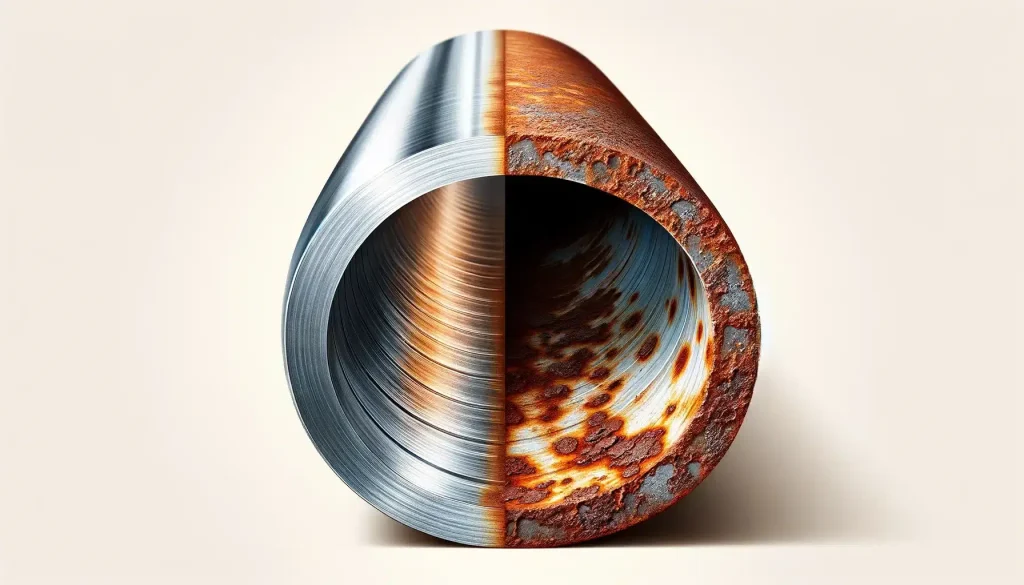
Stainless steel heat exchangers might cost more upfront than aluminum ones, but their durability and resistance to corrosion make them long-term champions. While aluminum might rust and corrode faster, leading to a shorter lifespan, stainless steel stays strong and reliable.
For condensing steam heat exchangers, stainless steel is the go-to material due to its resistance to corrosion and high temperatures. Its smooth, easy-to-clean surface is a big plus in industries that demand strict cleanliness, like food and beverage processing, pharmaceuticals, and cannabis processing.
Some manufacturers only use stainless steel for their heat exchangers, especially in condensing models, because it’s like having a suit of armor against corrosion. In non-condensing environments, copper is often preferred for its superior heat conduction – it’s the smooth talker of the heat exchanger world.
Simple Takeaways
- Use Stainless Steel or Copper Tubing for your heat exchanger projects.
- For condensing and sanitary environments, go with stainless steel tubing.
- Choose BA (Bright Annealed) Stainless Steel Tubing over AP (Annealed and Pickled) Stainless Steel Tubing for better surface finish and corrosion resistance.
Investing in heat exchangers is like choosing a reliable car – it might cost more initially, but it saves you money and headaches in the long run. So, for your next heat exchanger, go for the material that’s ready to handle the heat, the pressure, and the corrosion – stainless steel!
★★★ Review of previously selected articles:
- What is Bright Annealing of Stainless Steel Tubes?
- What is the Difference Between Annealed and Bright Annealed Stainless Steel Tubes?
- AP, BA, and EP Stainless Steel Tubes: Key Differences and Application Scenarios
- What is the difference between a stainless steel pipe and a stainless steel tube?
- Common Applications of Stainless Steel Tubes
- Is Stainless Steel Tubing Good for Heat Exchangers?
- Exploring Stainless Steel Tubing: Making the Right Choice for Your Fluid System
- What is Stainless Steel Coil Tubing and Why It Matters in Modern Industry
- Choosing the Right Stuff: Corrosion-Resistant Materials
Ask us a question
By fill the right form, you can send any questions about us and our products.
Get more information about us

Company Links
Contact Information
Ph: +86-21-62666697
Fax: +86-21-62999145
Mobi: +86 133 3793 7369
Email: link@jwgroup.cc
Add: No 2299, Xiangjiang Road, Shanghai, China