
At JW STEEL, one question we often receive from customers is:
“How do you ensure your stainless steel tubing is clean, smooth, and ready for critical applications?”
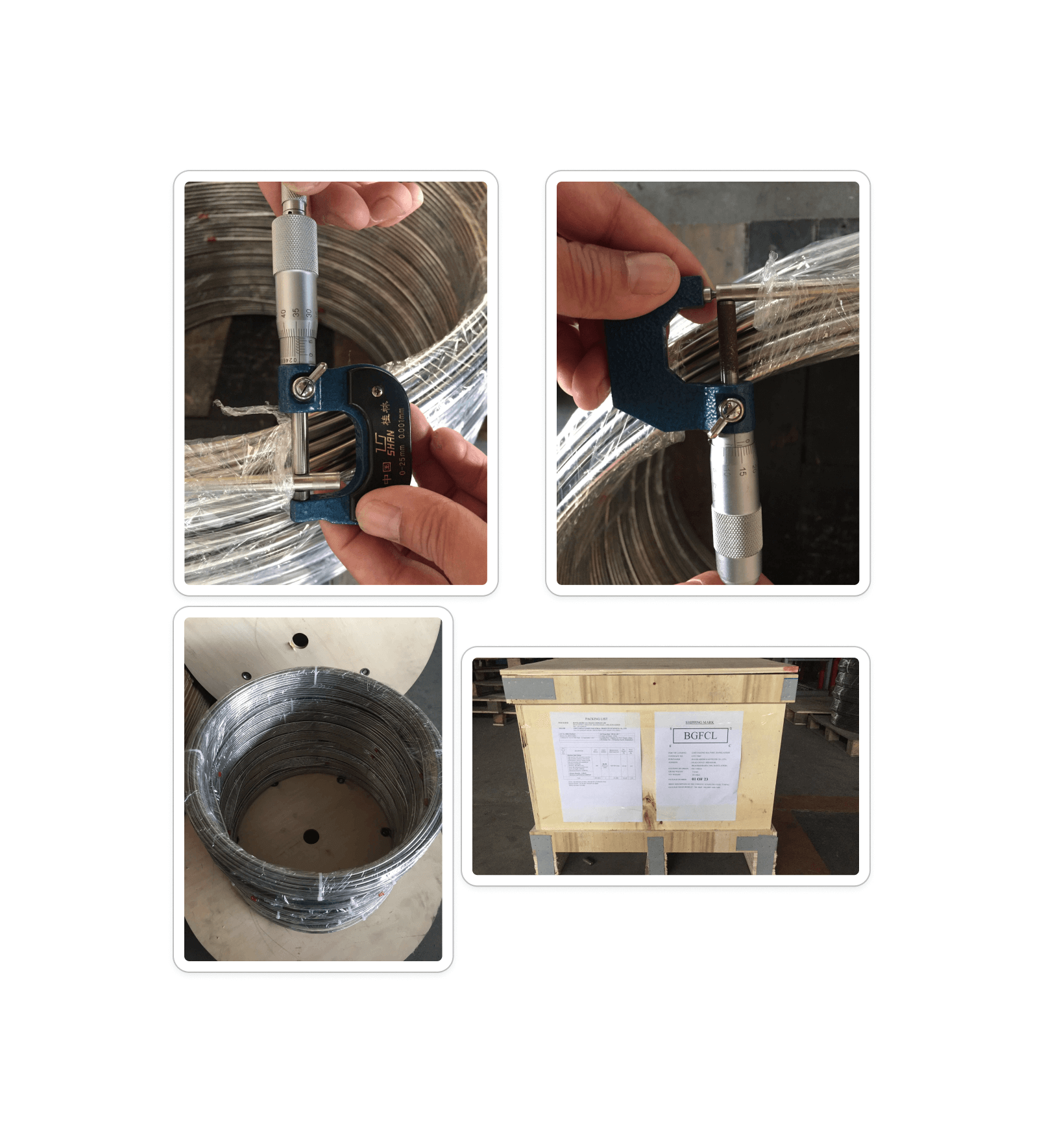
Here’s a simple look into our process — both for the outer surface finish and the inner surface cleanliness of our stainless steel tubes.
1. Bright Annealing: The Foundation of a Clean Tube
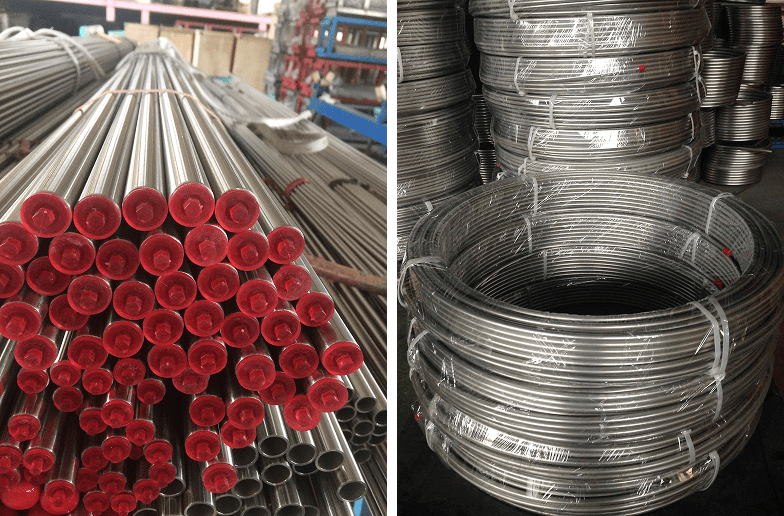
All JW stainless steel tubing is produced using the bright annealing (BA) process.
This is the most essential step for achieving:
– A clean, bright, oxide-free surface
– A smooth, uniform metallographic structure
– Better corrosion resistance
– No scale formation on the tube surface
Bright annealing is the root guarantee of our tubing quality — both inside and outside.
2. 320-Grit Outer Surface Polishing
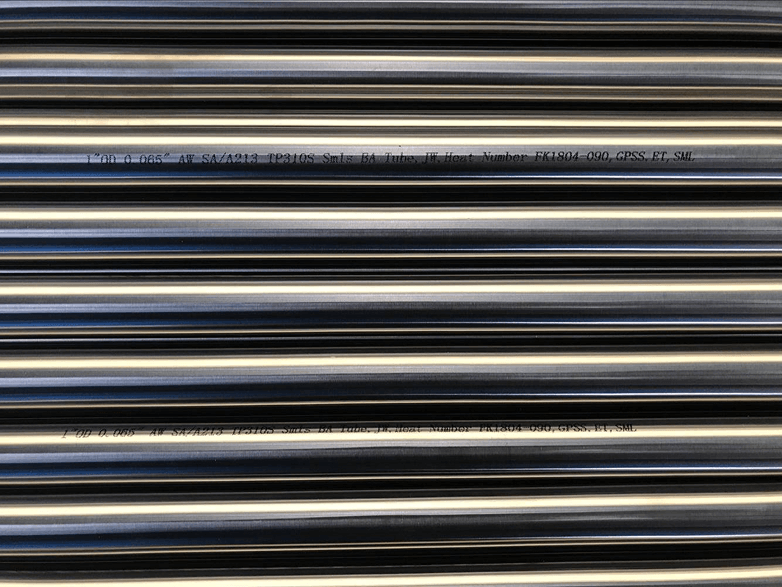
After bright annealing, every tube goes through 320-grit external polishing.
This gives our stainless steel tubing:
– A smooth and consistent surface
– A visually refined finish
– Reduced surface roughness (ideal for fluid systems, instrumentation, and coil tubing applications)
3. How We Clean the Inside of the Tubing
A clean inner surface is critical — especially for industries like instrumentation, beverage processing, energy, and precision fluid systems.
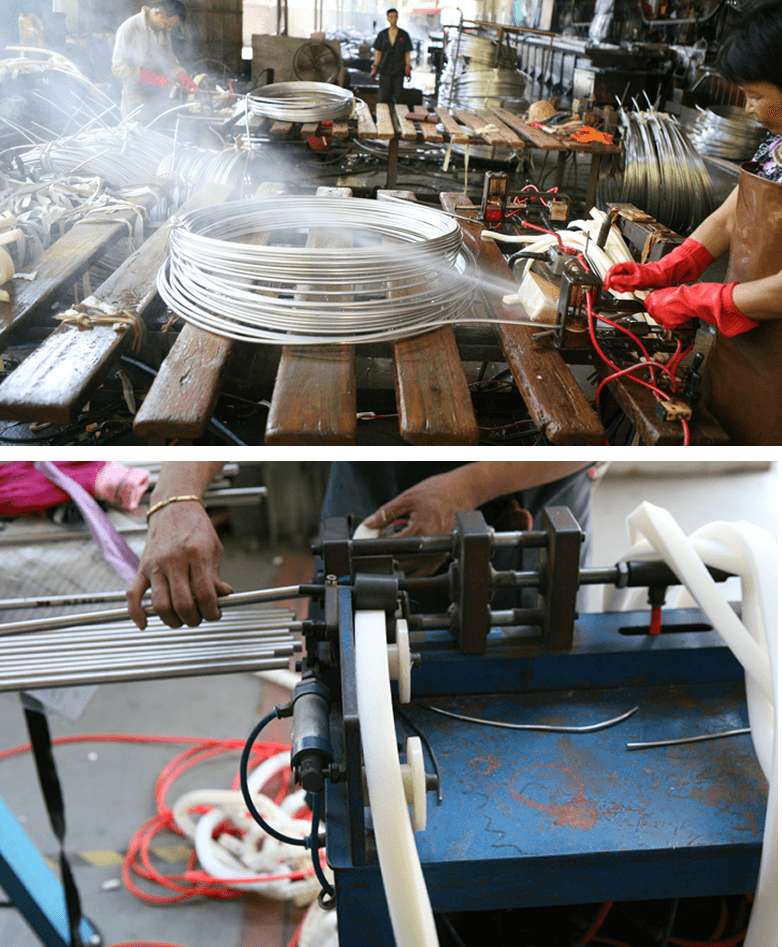
To ensure the inside of every tube is free from dust, acid residue, and impurities, we use a proven method:
Water-Wash by Sponge System
Here’s how it works:
- Insert a sponge from one end of the tube.
- Push the sponge using controlled water pressure, allowing it to travel through the tube and scrub the internal surface.
- This action removes dust, pickling residues, scale fragments, and micro-particles.
- Repeat the cleaning cycle several times to ensure full internal cleanliness.
- Use compressed air to blow out the remaining water.
- Place the tubing into a drying oven for complete moisture removal.
This process ensures the inner surface is clean, dry, and ready for bending, coiling, welding, or final assembly.
Why This Matters
A tube that is clean both inside and outside is more than cosmetic — it affects:
– Flow efficiency
– Corrosion resistance
– Welding quality
– Lifespan of the system
– Safety and reliability in real applications
That’s why JW STEEL treats cleanliness as part of the engineering process, not an afterthought.
★★★ Review of previously selected articles:
- What is Bright Annealing of Stainless Steel Tubes?
- What is the Difference Between Annealed and Bright Annealed Stainless Steel Tubes?
- AP, BA, and EP Stainless Steel Tubes: Key Differences and Application Scenarios
- What is the difference between a stainless steel pipe and a stainless steel tube?
- Common Applications of Stainless Steel Tubes
- Is Stainless Steel Tubing Good for Heat Exchangers?
- Exploring Stainless Steel Tubing: Making the Right Choice for Your Fluid System
- What is Stainless Steel Coil Tubing and Why It Matters in Modern Industry
- Choosing the Right Stuff: Corrosion-Resistant Materials
Ask us a question
By fill the right form, you can send any questions about us and our products.
Get more information about us

Company Links
Contact Information
Ph: +86-21-62666697
Fax: +86-21-62999145
Mobi: +86 133 3793 7369
Email: link@jwgroup.cc
Add: No 2299, Xiangjiang Road, Shanghai, China