
Picture this: an offshore platform decked out with 50,000 feet of tubing, 20,000+ fluid system parts, 10,000 fittings, and up to 8,000 mechanical connections. That’s a whole lot of gear! When it comes to picking materials, you want ones that can stand up to corrosion like a champ.
But it’s not just about the metal itself. Sure, quality and manufacturing matter, but what you really need is a materials guru on your side. Someone who can help you navigate the wild world of corrosion resistance and make sure your fluid system stays shipshape.

Keeping It in Check: Quality Control
So, here’s the deal: metal and moisture? They don’t always play nice. When metal meets fluid, it’s like a chemical showdown, and sometimes, the metal loses. That’s corrosion in a nutshell.
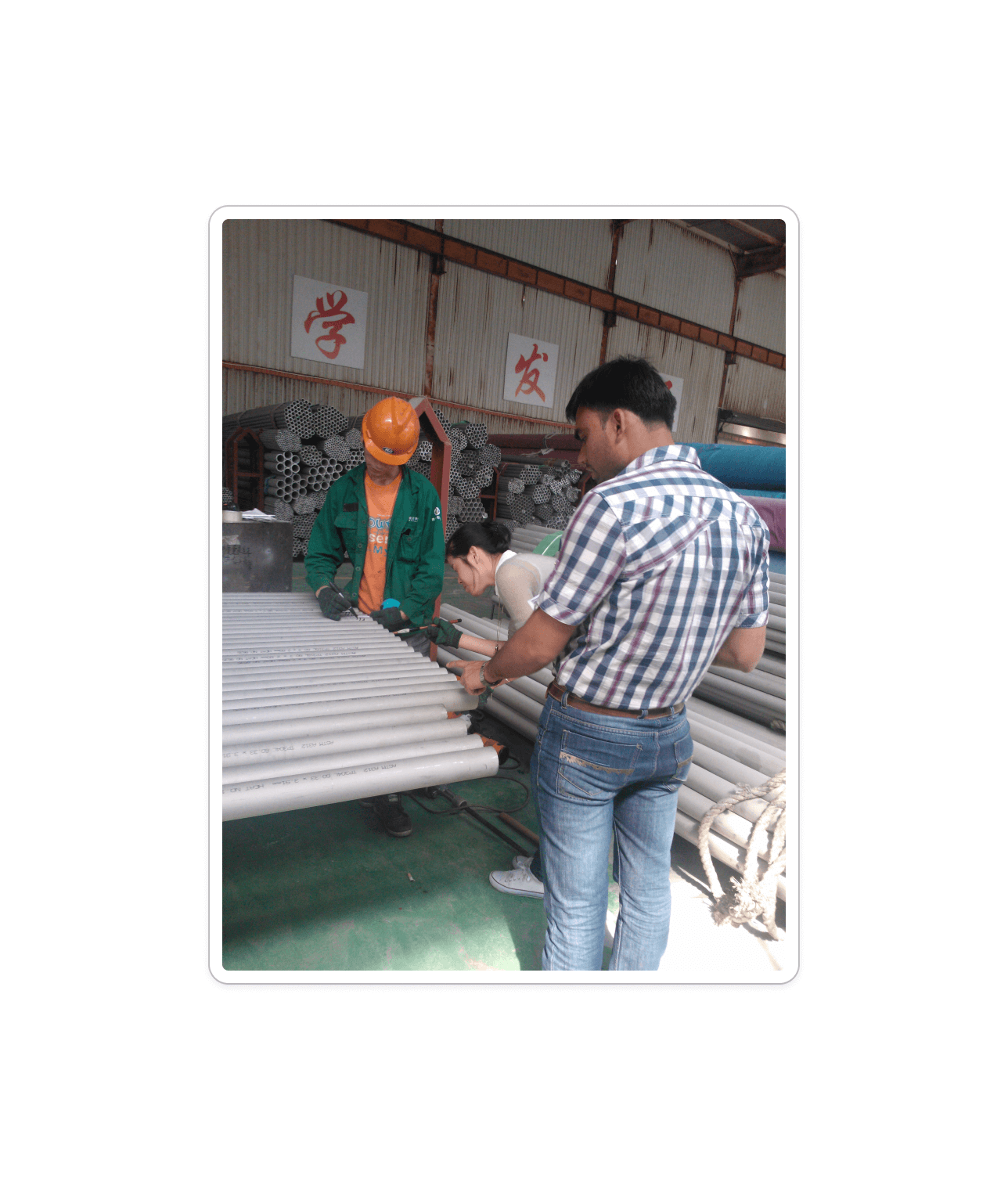
But fear not! We’re not just throwing metal into the wild and hoping for the best. Nope, we’ve got quality control on our side. From the moment that metal hits the factory floor to the final inspection, we’ve got our eyes peeled for any signs of trouble.
Because let’s face it, nobody wants a flimsy tube or a wonky component. We’re all about quality, every step of the way.
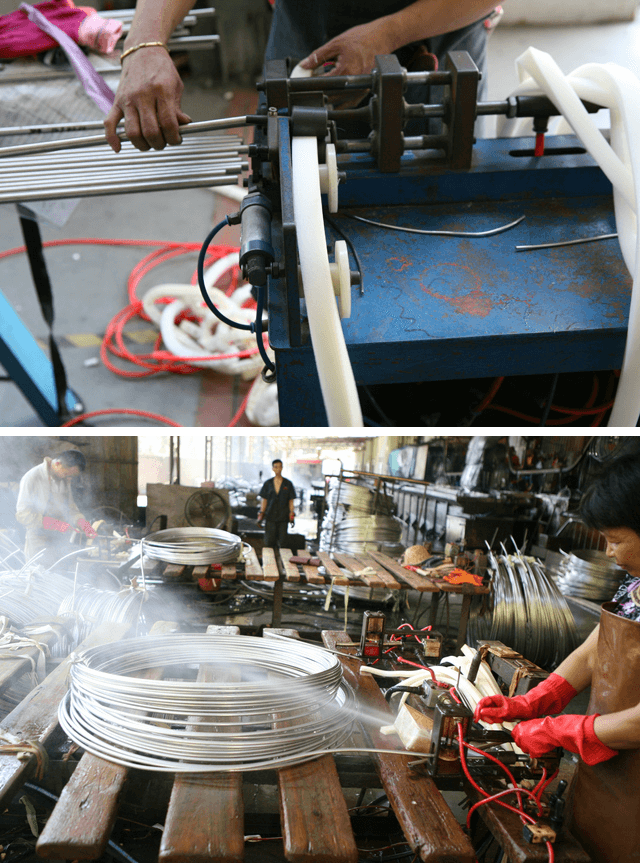
To prevent problems early detection is key.
Suppliers must implement stringent quality control measures for corrosion prevention, starting with process controls and bar stock inspection. Inspection methods vary, from visual checks for surface flaws to non-destructive testing for susceptibility to corrosion.
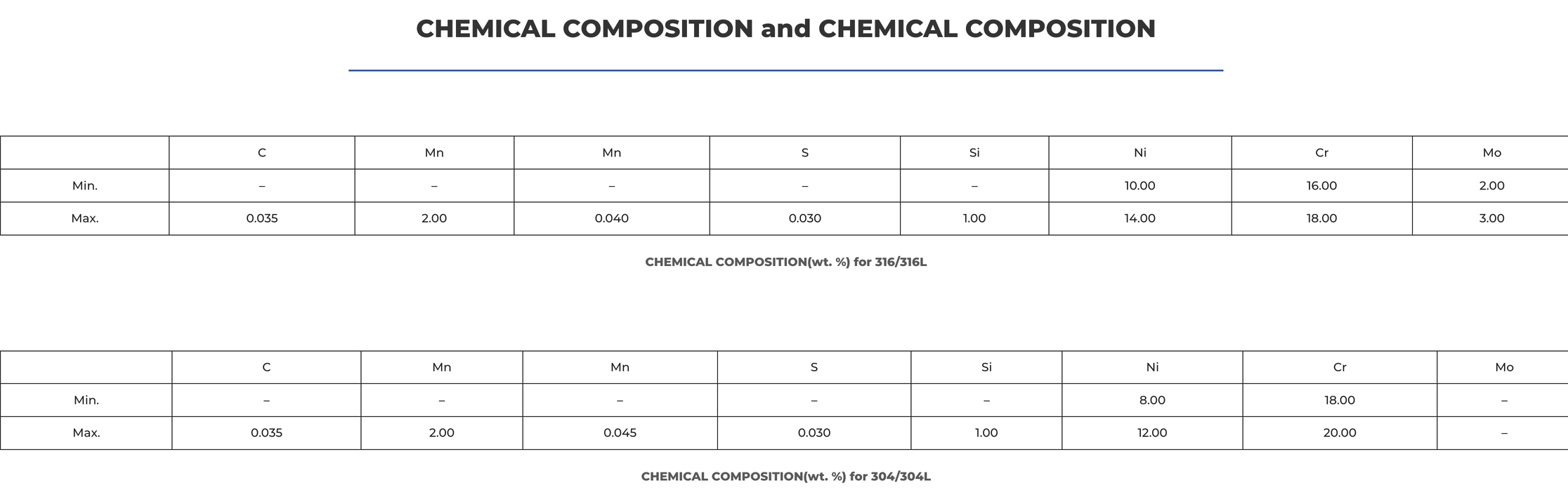
Suppliers can also verify material suitability by examining specific element levels in the composition. For optimal corrosion resistance, strength, weldability, and ductility, the alloy composition must be optimized. For instance, Type 316 stainless steel with higher nickel (Ni) and chromium (Cr) quantities than ASTM International’s minimum requirements ensures superior corrosion resistance. Suppliers should provide detailed chemical compositions and demonstrate compliance with ISO standards.
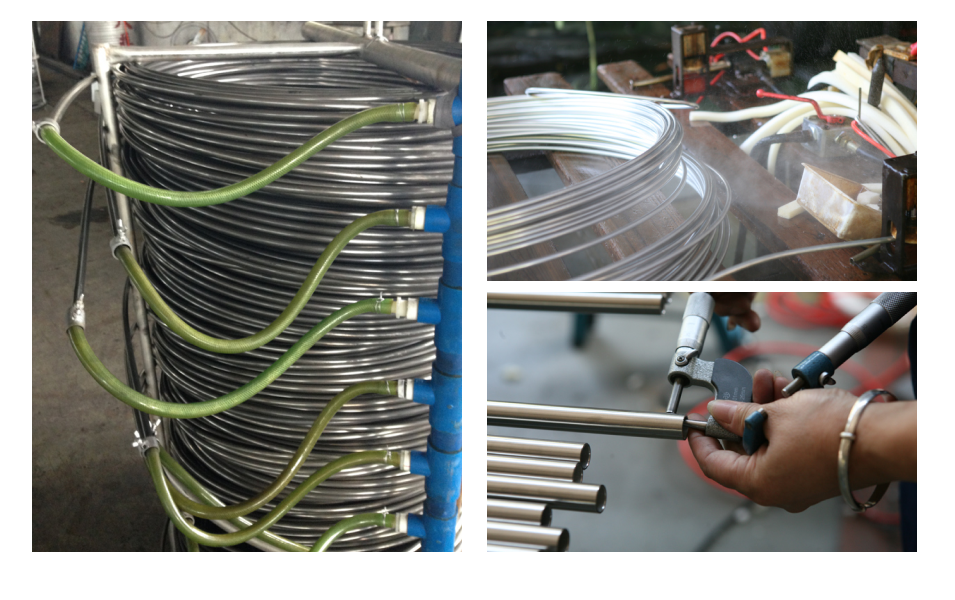
Throughout manufacturing, a thorough inspection is crucial
Suppliers should inspect components at each stage, starting with verifying adherence to manufacturing instructions. After manufacturing, extensive testing is essential to ensure parts are built correctly, with no visual defects or imperfections that could affect performance. Further testing should confirm that components operate as intended and are leak-tight.
Unlocking the Secrets of Material Science: How Expertise Can Make or Break Your Product
Ever wondered what makes a material tick? With the right knowledge, your supplier can help you navigate the wild world of materials and choose the perfect fit for your needs. From mechanical magic to material compatibility, it’s all about making the right moves!
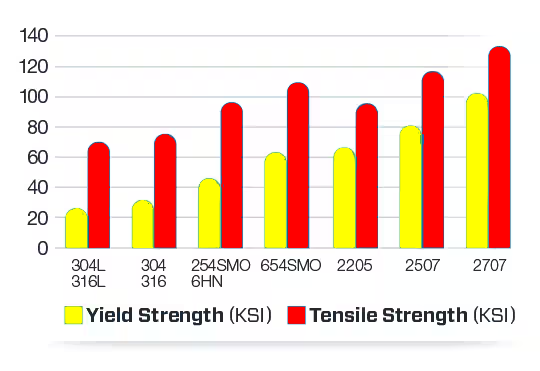
Strength in Numbers: Understanding Mechanical Properties
Ever wondered why some materials crack under pressure while others hold strong? It’s all about the mechanical properties! From yield strength to ductility, these factors determine how well a material can handle the heat (and pressure). And when it comes to compatibility, avoiding corrosion is key. With the right material choices, you can save big bucks and keep your systems running smoothly.
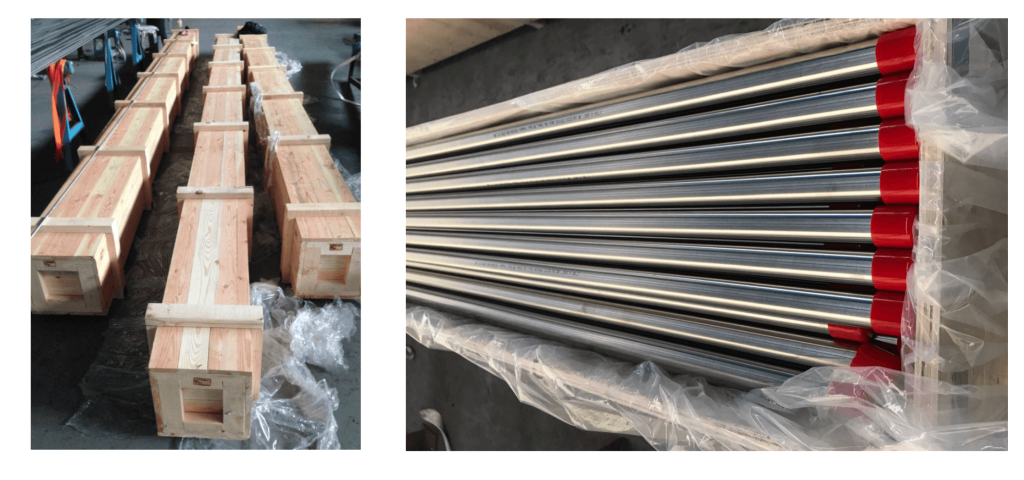
★★★ Review of previously selected articles:
- What is Bright Annealing of Stainless Steel Tubes?
- What is the Difference Between Annealed and Bright Annealed Stainless Steel Tubes?
- AP, BA, and EP Stainless Steel Tubes: Key Differences and Application Scenarios
- What is the difference between a stainless steel pipe and a stainless steel tube?
- Common Applications of Stainless Steel Tubes
- Is Stainless Steel Tubing Good for Heat Exchangers?
- Exploring Stainless Steel Tubing: Making the Right Choice for Your Fluid System
- What is Stainless Steel Coil Tubing and Why It Matters in Modern Industry
- Choosing the Right Stuff: Corrosion-Resistant Materials
Ask us a question
By fill the right form, you can send any questions about us and our products.
Get more information about us
Company Links
Contact Information
Ph: +86-21-62666697
Fax: +86-21-62999145
Mobi: +86 133 3793 7369
Email: link@jwgroup.cc
Add: No 2299, Xiangjiang Road, Shanghai, China